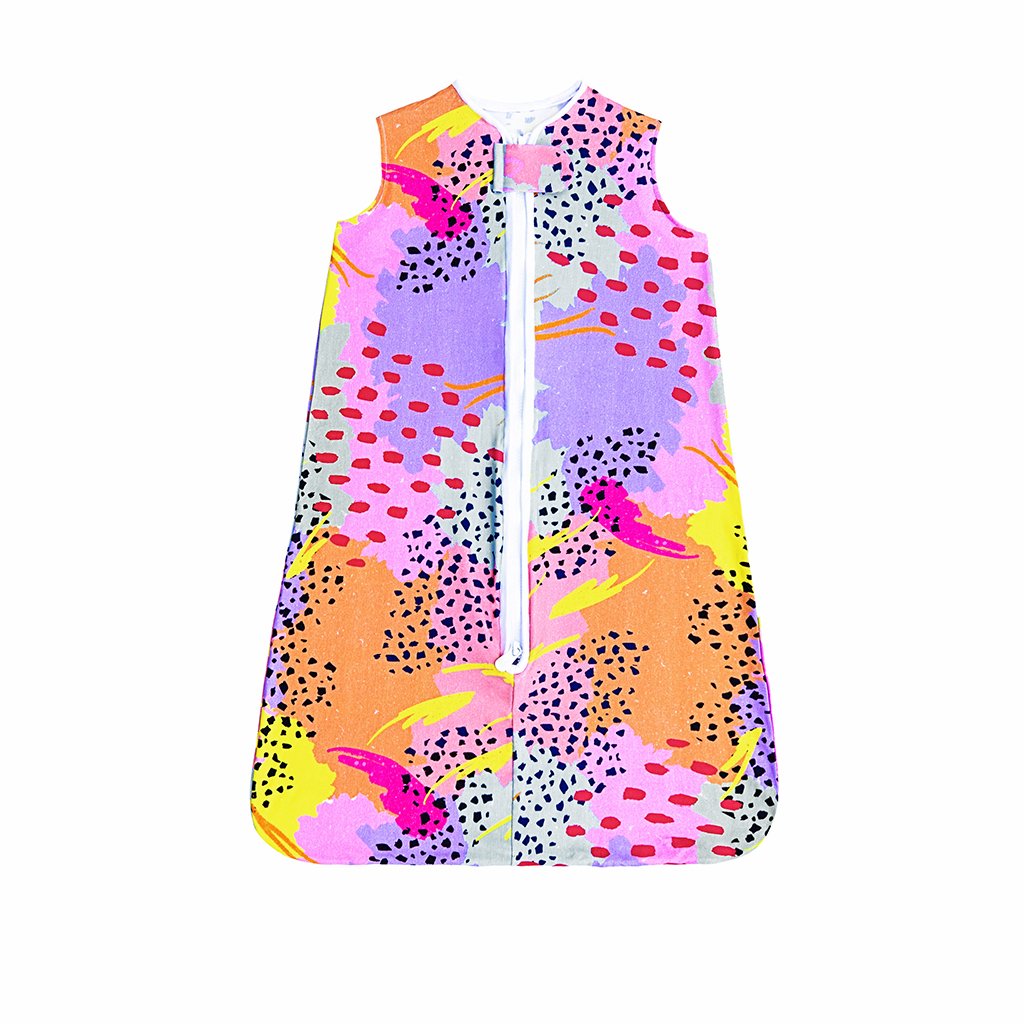
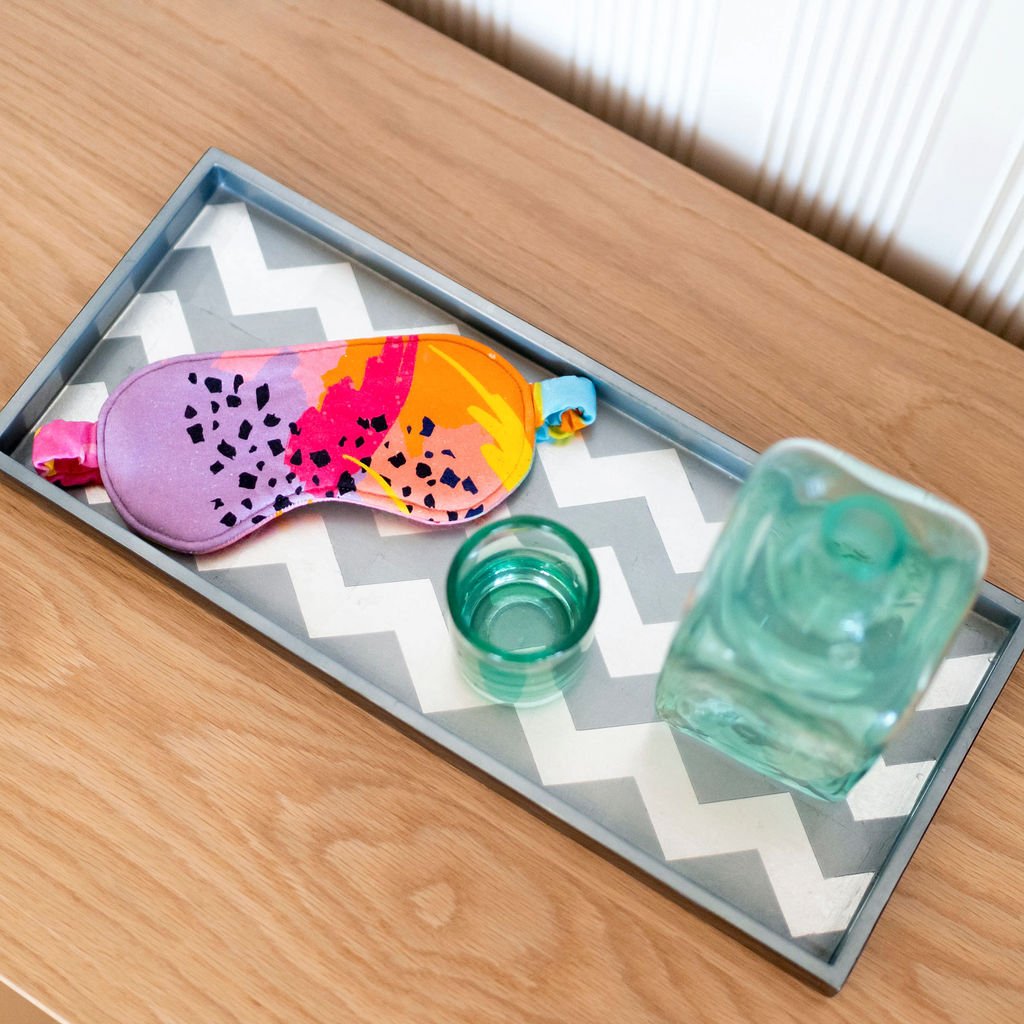
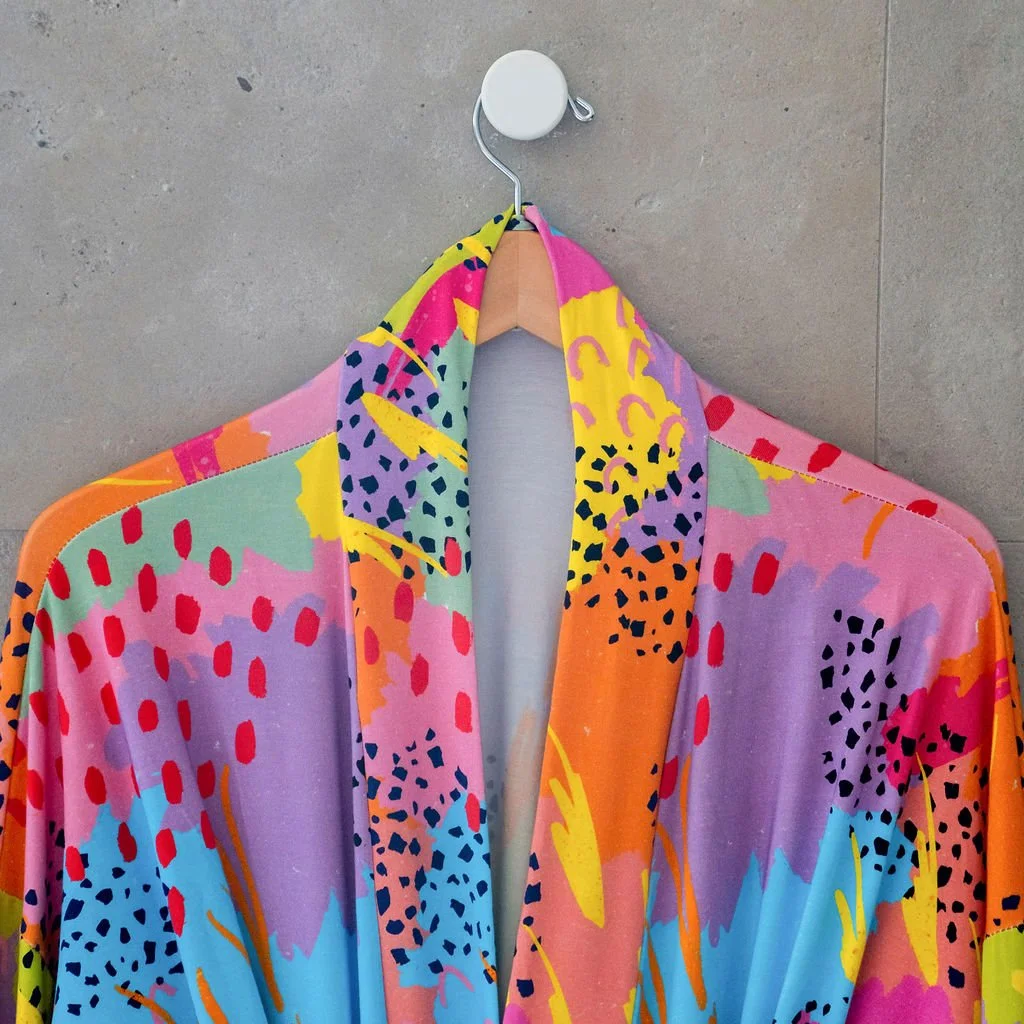
Pronoun’s first limited Do-Goods™ collaboration is finally here &
celebrating LGBTQIA+ families
and their allies.

Pronoun Do-Goods™
In partnership with leading fashion and design brands, Pronoun Do-Goods™ are limited edition products designed to inspire and promote uniqueness and individuality. Proceeds from the sales of Do-Goods™ will go to various organizations that further our mission of equality including our international public education campaign to spread awareness of discriminating policies and how we can initiate meaningful change.
For our first Do-Goods™ collection we are proud to partner with MiliMili, a small, mama-owned, Los Angeles-based company striving to provide the very best—and softest!—products for your little ones. Co-founders Kelsey Searles and Rose Bridges started MiliMili to be an ally to your family—to ensure that your child’s space reflects all the colors of their vibrant personality—and those of their awesome grownups. They believe that every color in the rainbow is for every gender. All proceeds from the MiliMili x Pronoun collection will be donated to Pronoun.

EQUALITY
•
EQUITY
•
LIBERATION
•
EQUALITY • EQUITY • LIBERATION •